Every worksite carries risk. A single overlooked hazard—slippery stairs, faulty wiring, improper lifting—can trigger an injury that changes lives. Yet many teams still treat safety meetings as a box-ticking exercise. That’s where effective health and safety toolbox talks come in: short, focused, and real. They’re not just a compliance requirement—they’re frontline defense against accidents.
When done right, toolbox talks spark conversation, reinforce safety behaviors, and build a culture where workers look out for one another. The key? Choosing the right topics—those that reflect real risks, resonate with crews, and prompt action.
Here are the most impactful health and safety toolbox talk topics that safety leaders use to protect teams and maintain high-performance sites.
Why Toolbox Talks Matter Beyond Compliance
Toolbox talks are brief safety discussions—typically 10 to 15 minutes—held at the start of a shift or before high-risk tasks. They’re designed to reinforce awareness, clarify procedures, and address immediate hazards.
But their value goes beyond risk reduction. Great toolbox talks:
- Encourage worker participation and ownership of safety
- Surface near-misses before they turn into incidents
- Bridge communication gaps between management and field teams
- Reinforce training in real-world contexts
Too often, these sessions fall flat because topics feel recycled or disconnected from daily work. The most effective talks are timely, specific, and interactive. For example, discussing fall protection before workers go on a roof—not as a generic monthly theme.
A common mistake? Relying on the same five topics year-round. Seasonal hazards, new equipment, or changes in workflow require dynamic content. Think: icy walkways in winter, heat stress in summer, or new crane operations during a project phase shift.
1. Fall Protection: Staying Secure at Height
Falls are consistently among the top causes of serious injuries and fatalities in construction, maintenance, and industrial work.
A strong fall protection toolbox talk should cover:
- Proper use of fall arrest systems (harnesses, lanyards, anchors)
- Inspection routines for wear and damage
- The difference between fall restraint and fall arrest
- Rescue planning after a fall event
Realistic Use Case: A crew prepares to install HVAC units on a flat roof. The supervisor leads a talk focusing on edge protection, anchor point validation, and the requirement for a standby observer. Workers inspect each other’s gear—peer checks increase accountability.
Common Mistake: Assuming that wearing a harness is enough. Without proper anchoring and training on suspension trauma, the system fails when it’s needed most.
2. Hazard Communication and Chemical Safety
Workers interact with chemicals daily—from solvents and adhesives to cleaning agents and fuels. Misuse can lead to burns, respiratory issues, or fires.
Key points to cover:
- Reading Safety Data Sheets (SDS)
- Proper labeling and storage
- Required PPE (gloves, goggles, respirators)
- Spill response procedures
Practical Example: A maintenance team uses a degreaser to clean machinery. The toolbox talk highlights the SDS warning about vapor buildup in confined spaces. The team agrees to use ventilation and wear respirators—even though it wasn’t their usual practice.
Limitation to Address: Not all workers read SDS documents regularly. Make them accessible and review key sections aloud during talks.
3. Electrical Safety: Avoiding Shocks and Arc Flashes

Electrical incidents are often fatal—and preventable. Both qualified electricians and general laborers face risks from exposed wiring, damaged tools, and overloaded circuits.
Discussion points:
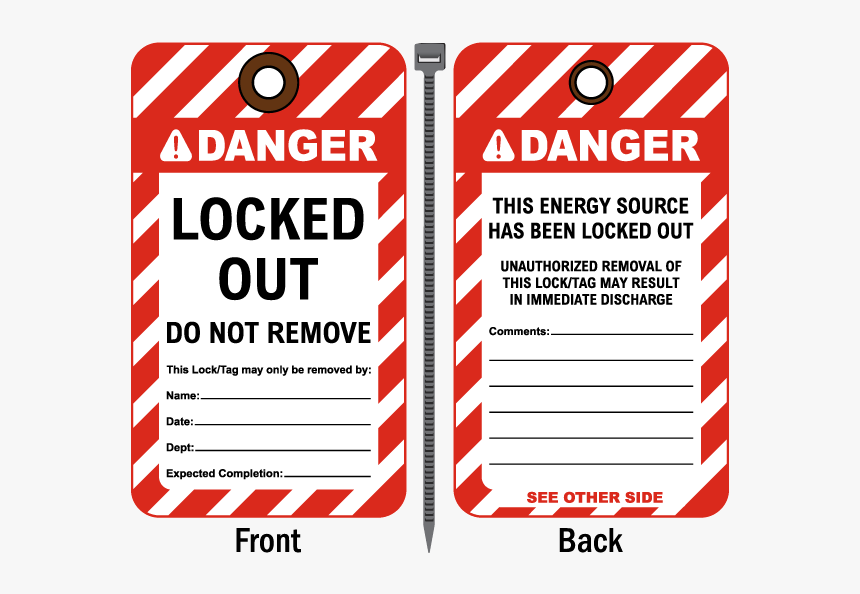
- Lockout/Tagout (LOTO) procedures
- Inspecting cords and tools for fraying or damage
- Maintaining safe distances from live parts
- Recognizing warning signs (buzzing, overheating)
Workflow Tip: Start each talk with a “cord walk”—inspect power tools and extension cords used that day. Tag damaged ones “Do Not Use” and remove them from service.
Common Oversight: Using double adapters or daisy-chained power strips on site. These create fire hazards and overload circuits. Address them directly and provide alternatives.
4. Slips, Trips, and Falls on the Same Level
While falls from height get attention, most fall incidents happen at ground level. Wet floors, cluttered walkways, and uneven surfaces are silent threats.
What to include:
- Housekeeping expectations (spill cleanup, material storage)
- Proper footwear requirements
- Lighting adequacy in walkways and exits
- Behavioral awareness (no rushing, watch your step)
Realistic Scenario: After two near-misses in a warehouse, a talk focuses on “clean as you go” discipline. Forklift operators and packers commit to clearing debris immediately. A visual checklist is posted at shift handover points.
Insight: Most same-level falls happen during routine tasks. Complacency kills. Reinforce vigilance even during low-risk activities.
5. Personal Protective Equipment (PPE) Use and Fit
PPE only works if it’s worn correctly, consistently, and suited to the task.
A strong PPE talk should address:
- Task-specific gear requirements (e.g., face shields during grinding)
- Proper fit (helmets, respirators, gloves)
- Maintenance and replacement schedules
- Peer accountability
Practical Example: A worker shows up without safety glasses. Instead of just reprimanding, the supervisor uses it as a teachable moment: “What could happen in 2 seconds? Let’s talk about a flying metal shard.”
Common Mistake: Providing one-size-fits-all PPE. Ill-fitting respirators or gloves reduce protection and discourage use. Offer adjustable or varied sizes.
6. Heat Stress and Hydration
Heat-related illnesses don’t just affect outdoor crews in summer. Confined spaces, industrial ovens, and poorly ventilated areas can create dangerous conditions year-round.
Critical talking points:
- Recognizing symptoms: heavy sweating, dizziness, nausea, confusion
- Hydration guidelines (water over energy drinks)
- Work/rest cycles in high-heat environments
- Acclimatization for new or returning workers
Use Case: During a heatwave, the morning talk includes a “hydration check”—each worker confirms they’ve had water before starting. Supervisors rotate high-exertion tasks to cooler parts of the day.
Limitation: Workers may ignore early symptoms. Normalize speaking up: “If you feel off, say something—no shame, no penalty.”
7. Manual Handling and Safe Lifting Techniques
Back injuries from improper lifting are among the most common and costly workplace injuries.
Cover:
- The 3-point lift technique (feet, grip, back)
- Use of mechanical aids (dollies, hoists)
- Team lifting protocols
- Recognizing load hazards (awkward shapes, hidden weight)
Workflow Tip: Demonstrate lifting with a weighted box. Have workers practice while giving feedback: “Knees bent? Back straight? Close to body?”
Common Oversight: Ignoring cumulative strain. Repeated light lifts with poor form can cause injury over time. Emphasize consistency, not just heavy lifts.
8. Working in Confined Spaces
Confined spaces—tanks, vaults, silos—pose unique risks: oxygen deficiency, toxic gases, and entrapment.
Key points:
- Permit requirements and atmosphere testing
- Attendant roles and communication protocols
- Emergency rescue plans
- Equipment checks (tripods, harnesses, gas monitors)

Example: Before entering a sewage tank, the team reviews the permit, tests air quality, and confirms the rescue tripod is staged nearby. The attendant remains outside with two-way radio contact.
Critical Reminder: Never enter a confined space without a tested plan. Rescue attempts often result in multiple fatalities—only trained teams with proper gear should respond.
9. Tool Safety: Hand and Power Tools
From hammers to grinders, tools can cause serious harm if misused or poorly maintained.
Focus on:
- Pre-use inspection checklist
- Correct guarding and safety features
- Secure workpieces (clamps, vises)
- No-operation zones (e.g., loose clothing, jewelry)
Practical Step: Create a pre-shift tool inspection tag system. Workers mark tools as “Safe” or “Out of Service” after checking.
Common Error: Using a power tool for a job it wasn’t designed for—like a drill as a hammer. This leads to kickback and injury. Reinforce manufacturer guidelines.
10. Situational Awareness and Stop Work Authority
One of the most powerful safety behaviors is knowing when to stop.
Talk about:
- Recognizing changing conditions (weather, equipment failure)
- Speaking up about unsafe acts or conditions
- The right—and responsibility—to halt work
- Psychological safety: no retaliation for raising concerns
Real-World Win: A new worker notices a forklift approaching with an unstable load. He raises his hand and calls “Stop!” The lift is corrected. The supervisor publicly praises the intervention.
Editorial Insight: Safety culture is measured by how often workers use stop work authority—and whether they feel safe doing so.
Making Toolbox Talks Stick: Engagement Tips
Even the best topics fail without engagement. Here’s how to make talks more effective:
- Rotate facilitators: Let crew members lead occasionally
- Use visuals: photos of hazards, diagrams, real equipment
- Invite stories: “Has anyone seen something like this before?”
- Keep it short: Respect workers’ time
- Follow up: Address action items from previous talks
Avoid monologues. Safety is a conversation—not a lecture.
Final Thoughts: Turn Talks into Action
The goal isn’t just to discuss safety—it’s to change behavior. Choose topics that reflect real risks, use examples your team recognizes, and always end with a clear takeaway: one thing each person will do differently.
Great toolbox talks don’t just prevent accidents—they build trust, awareness, and a shared responsibility for safety.
Start tomorrow’s shift with a focused 10-minute talk on a single, urgent topic. Make it real. Make it matter.
FAQ
What are the most common toolbox talk topics? Fall protection, PPE, electrical safety, hazard communication, and slips/trips/falls are among the most frequently used due to their high incident rates.
How often should toolbox talks be held? At minimum, weekly. High-risk sites or complex tasks may require daily talks.
Who should lead a toolbox talk? Supervisors typically lead, but rotating crew members fosters ownership and engagement.
Do toolbox talks need to be documented? Yes. Record attendance, topic, and key points to track participation and compliance.
Can toolbox talks reduce accident rates? Yes—when consistent, relevant, and interactive, they reinforce safe behaviors and reduce incidents.
Should toolbox talks be the same across all sites? No. Topics should reflect site-specific hazards, tasks, and incident history.
How long should a toolbox talk last? Ideally 10–15 minutes—long enough to cover the topic, short enough to maintain attention.
FAQ
What should you look for in Top Health and Safety Toolbox Talk Topics for Worksite Success? Focus on relevance, practical value, and how well the solution matches real user intent.
Is Top Health and Safety Toolbox Talk Topics for Worksite Success suitable for beginners? That depends on the workflow, but a clear step-by-step approach usually makes it easier to start.
How do you compare options around Top Health and Safety Toolbox Talk Topics for Worksite Success? Compare features, trust signals, limitations, pricing, and ease of implementation.
What mistakes should you avoid? Avoid generic choices, weak validation, and decisions based only on marketing claims.
What is the next best step? Shortlist the most relevant options, validate them quickly, and refine from real-world results.